
Now booking the 2026 treatment year Free lawn inspection and soil check (555) 555-0142

Home/Services/Weed control

Weed control that
starts underground.

By the time you can see a weed, it has already won the easy part of the fight. Most of our weed control happens before germination — and the rest happens on the specific weeks each species is most vulnerable.

In the program
6 of 7 rounds
Species treated
40+ broadleaf & grassy
Breakthrough
Free return visits
Blanket spraying
Twice a year, no more

The mechanics

Two products. Two entirely different jobs.

Almost every disappointing weed-control season comes down to using one of these when the situation called for the other.

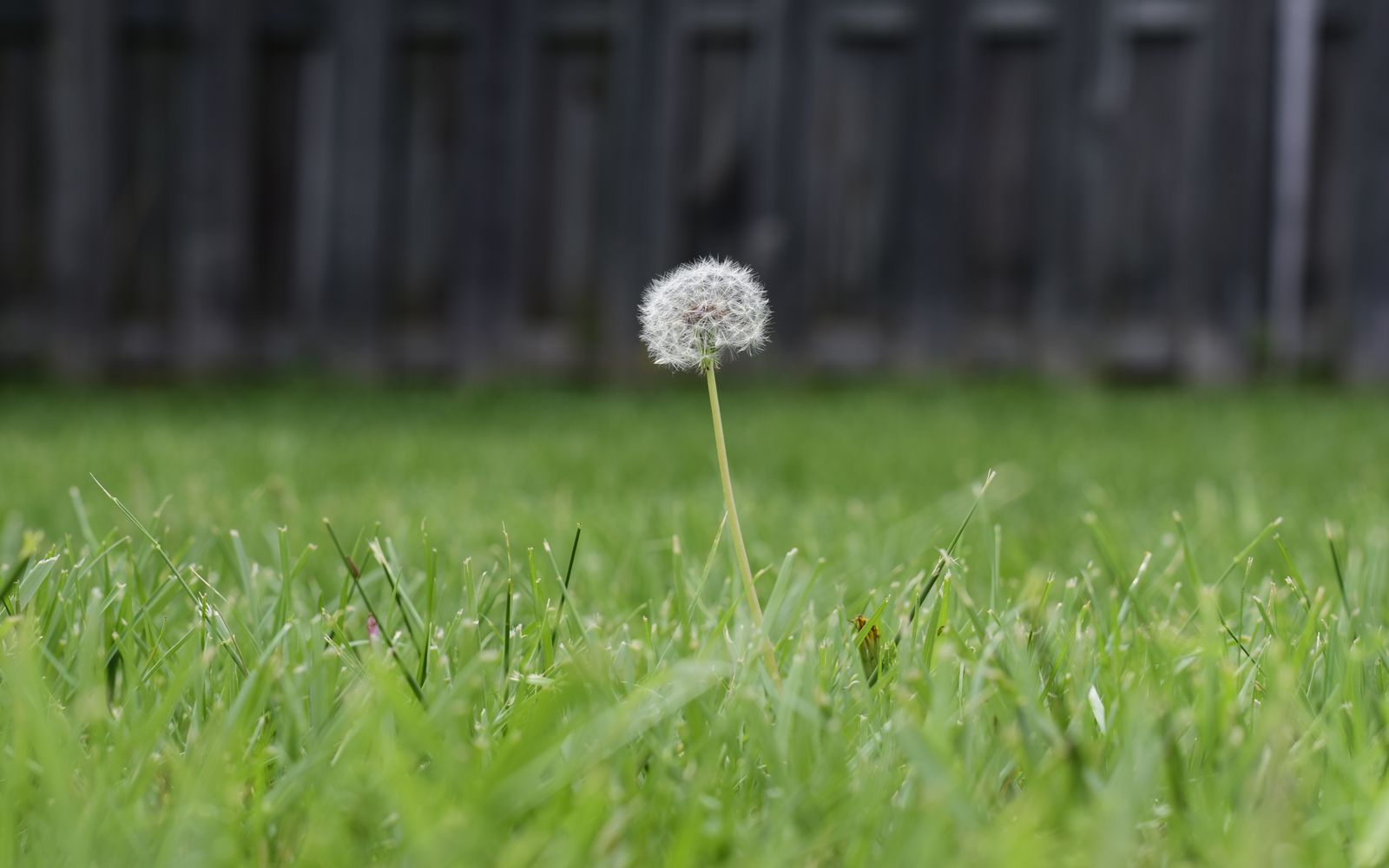
Grass blades in close focus Before germination

Pre-emergent

A barrier in the top inch of soil

It does not kill seed. It forms a chemical layer that stops the seedling root as it tries to push through, which is why timing is everything: applied late, the seedling is already past the layer. Applied on time, it stops 80–85% of crabgrass before you ever see a blade of it.

Rounds 01 and 02
Broadleaf weeds flowering in a lawn After it shows

Post-emergent

Carried down to the root by the plant

Systemic herbicide only works as well as the plant is growing. A dandelion in April or October is pumping sugars into its taproot and takes the product with them. The same plant in a July drought barely moves it at all — which is why we do not waste an application then.

Rounds 02, 04, 05 and 07
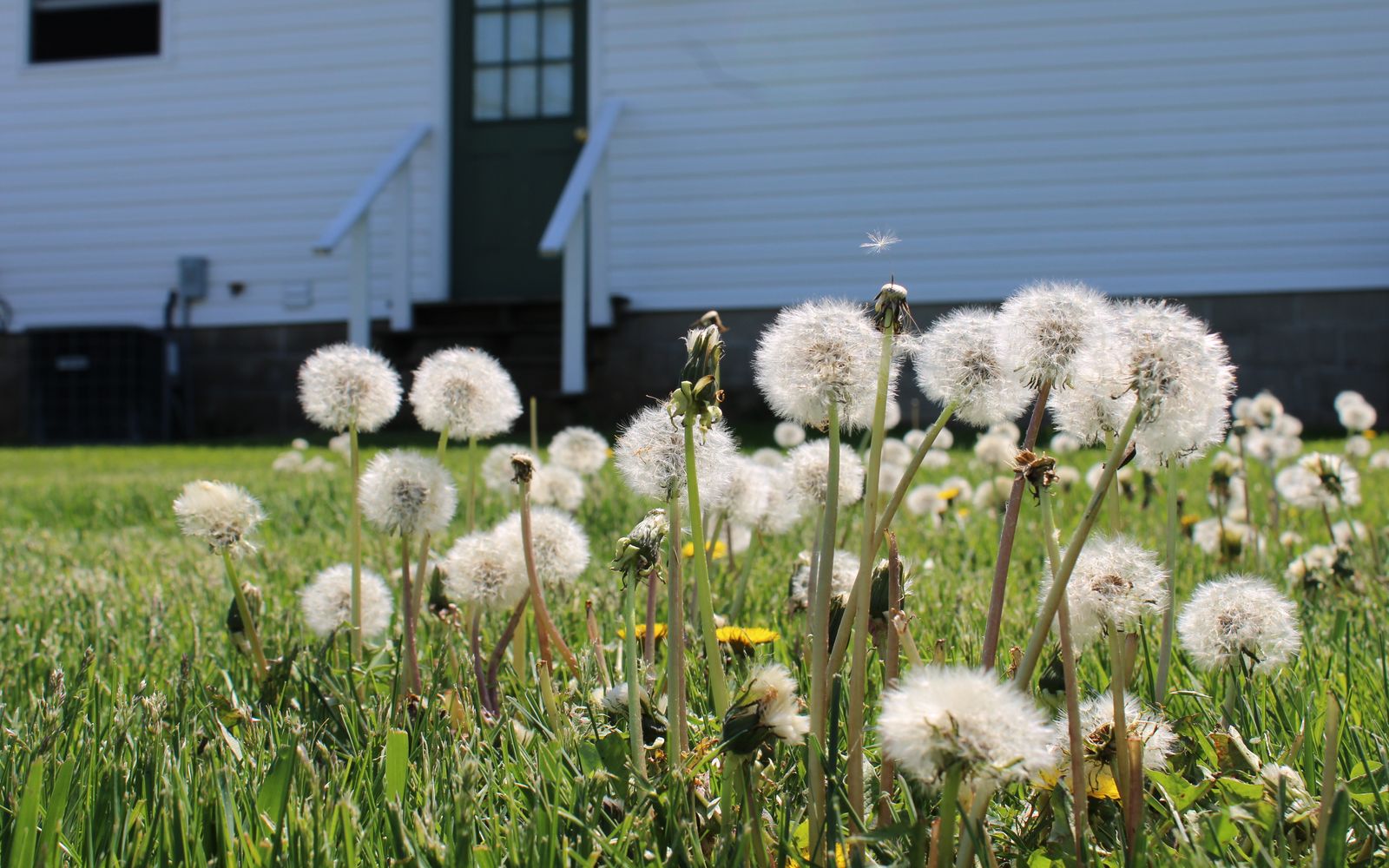
Dandelions blooming through a home lawn beside a white house
80–85% of crabgrass seed stopped by round 01

What’s included

Every weed gets identified before it gets treated.

Nutsedge is not a broadleaf. Crabgrass is not a perennial. Wild violet laughs at the product that flattens clover. Naming the plant is most of the work.

  • Spring and fall pre-emergent barrier against crabgrass and annual grasses
  • Liquid broadleaf control timed to active growth, not to the calendar
  • Nutsedge and creeping perennials treated with selective products
  • Free return visits between rounds if weeds break through
  • Posted re-entry notice on every visit, with the exact time it is safe to walk on
Get your lawn assessed

Weed identifier

What’s actually growing in your lawn.

The eight we pull out of local lawns most often, what gives each one away, and where it sits in the treatment year.

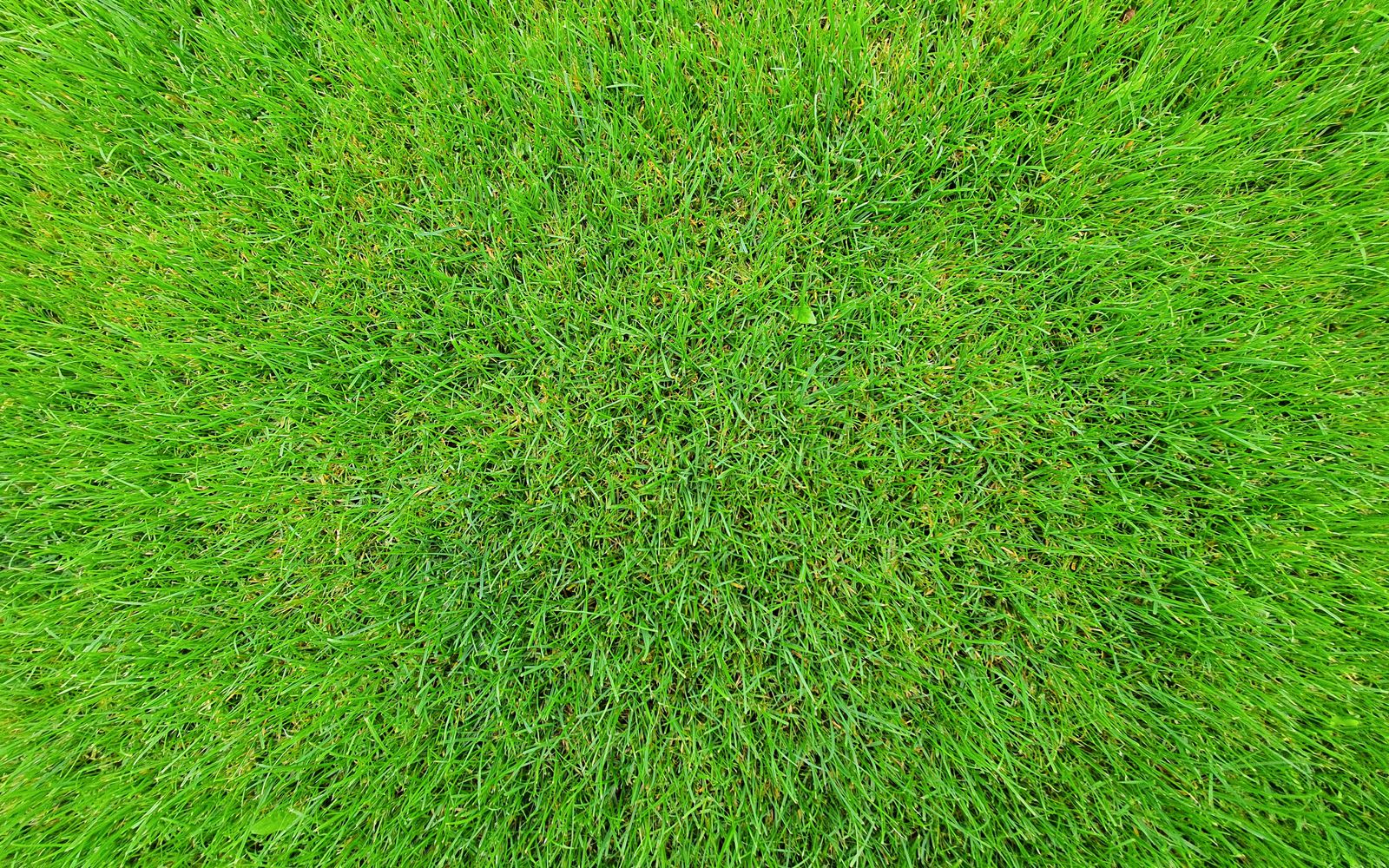
Dense turf grass filling the frame
Annual grassy Jun - Sep

Crabgrass

Digitaria spp.

The tell

Flat, light-green rosettes that sprawl from a central crown, always worst along driveways and south-facing edges where the soil runs hot.

Our plan

Pre-emergent in round 01 before soil hits 55°F. Once it has tillered, only a selective post-emergent will touch it, and thin turf will just grow it again next year.
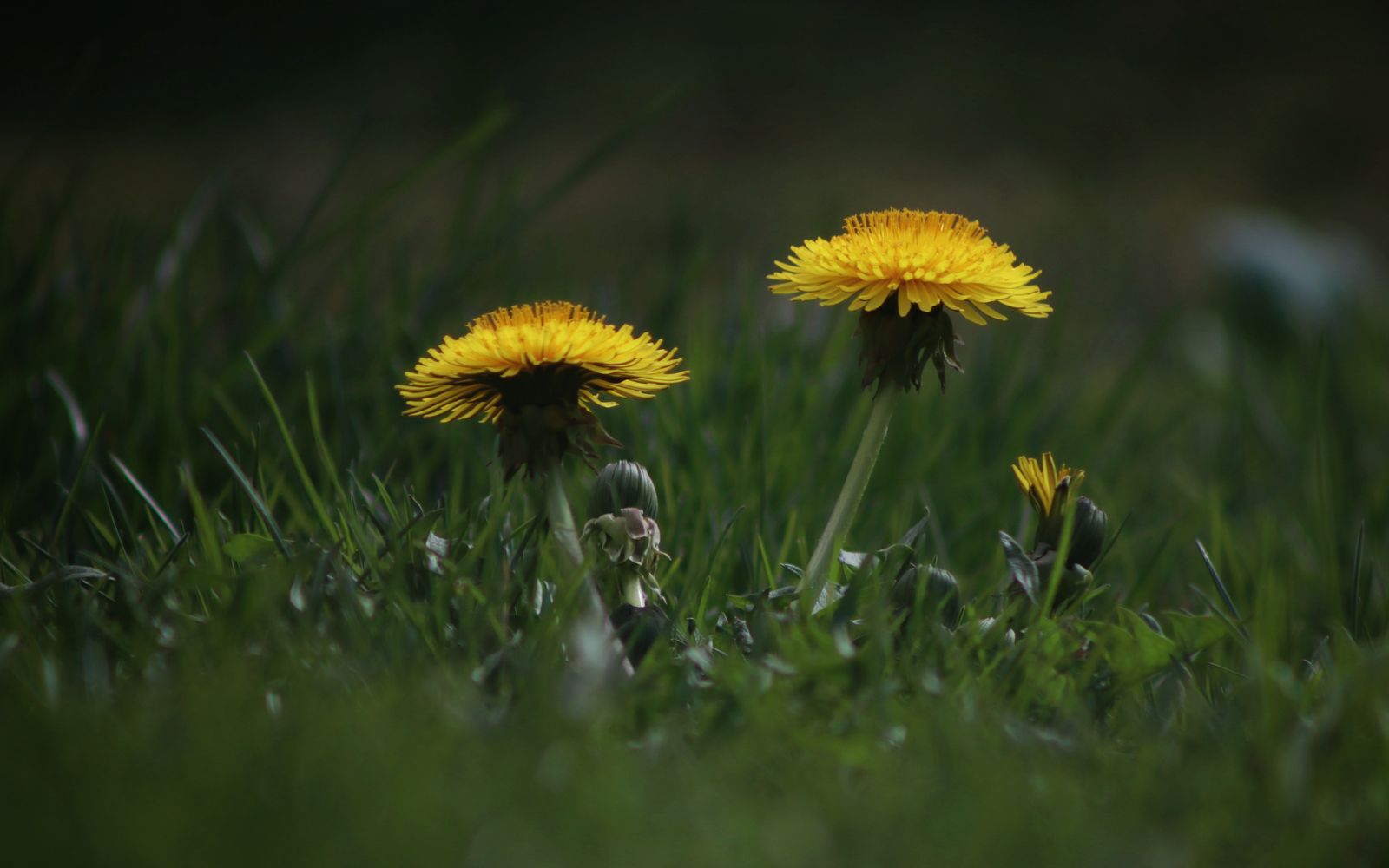
Yellow dandelion flowers blooming in green grass
Broadleaf perennial Apr - May, Sep - Oct

Dandelion

Taraxacum officinale

The tell

Toothed rosette flat to the ground, hollow stem with milky sap, and a taproot that snaps off below the crown when you pull it.

Our plan

Systemic broadleaf herbicide in rounds 02 and 07, when the plant is actively moving sugars to that taproot and takes the product with them.

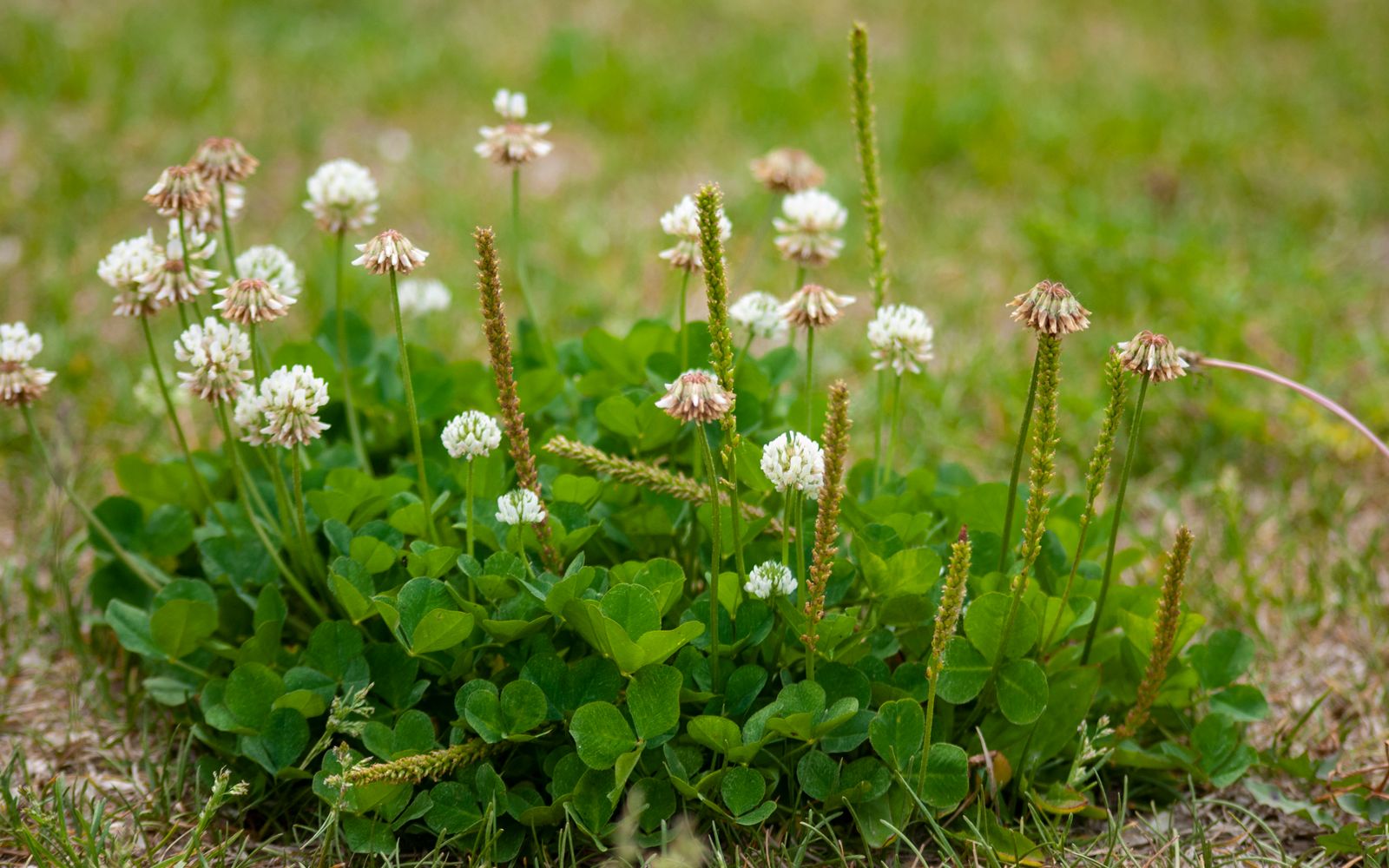
White clover flowers blooming through lush green grass
Broadleaf perennial May - Sep

White clover

Trifolium repens

The tell

Three-part leaves with a pale crescent, spreading by runners into soft mats. Usually a sign the lawn is short on nitrogen.

Our plan

Clover-rated broadleaf herbicide, paired with a proper feeding program. Fix the nitrogen deficit and the lawn stops inviting it back.

Grass blades in sharp focus
Sedge Jun - Aug

Yellow nutsedge

Cyperus esculentus

The tell

Glossy yellow-green, grows faster than everything around it, and the stem is triangular when you roll it between your fingers.

Our plan

Sedges are not grasses and not broadleaves, so ordinary weed control does nothing. Treated with a dedicated sedge herbicide in round 04.

Broadleaf weeds scattered across a lawn
Broadleaf perennial May - Sep

Broadleaf plantain

Plantago major

The tell

Wide oval leaves with heavy parallel ribs and a rat-tail seed spike. Thrives in compacted paths and play areas.

Our plan

Broadleaf control in rounds 02 and 07, plus core aeration in round 06. Relieve the compaction and it loses its advantage.

Low creeping foliage matted densely through grass
Broadleaf perennial Apr - May, Oct

Ground ivy

Glechoma hederacea

The tell

Scalloped round leaves on square stems, minty when crushed, creeping over the turf in shady damp corners.

Our plan

One of the toughest to control. Best result comes from the fall application in round 07, repeated across two seasons.

A home lawn in early spring
Annual grassy Mar - May

Annual bluegrass

Poa annua

The tell

Bright lime patches with white seed heads held just above the mow line, then dead straw the first week the heat arrives.

Our plan

Fall pre-emergent, because it germinates in autumn rather than spring. Overseeding in round 06 fills the gaps it leaves behind.

A thin lawn edge where weeds establish
Broadleaf annual Jul - Sep

Spotted spurge

Euphorbia maculata

The tell

Flat mats of small paired leaves with a red blotch, milky sap when broken, colonising thin dry ground in midsummer.

Our plan

Caught by the spring pre-emergent barrier. Escapes get a spot treatment in round 04 before the seed sets.

Straight answers

What weed control cannot do.

We would rather tell you this now than have you wondering in August.

  • No program produces a lawn with zero weeds. New seed blows in, and broadleaf weeds germinate every three to five weeks all season.
  • Ground ivy and wild violet routinely take two full seasons of fall applications. Anyone promising one season is guessing.
  • Herbicide does not fill the gap a weed leaves behind. Thin turf simply grows another one, which is why feeding and overseeding sit in the same program.
  • A lawn mown too short is a weed nursery. Three inches or higher shades the soil and does more for weed control than any product we own.
A lawn full of flowering broadleaf weeds

Next step

We walk the lawn first.
The quote comes after.

An inspection takes about twenty minutes. You get a soil reading, a written list of what is growing that shouldn’t be, and a price. No obligation, and we will tell you if your lawn does not need us yet.